Comparison of Hyundai i40 and Nissan Altima
Comparison of Hyundai i40 and Nissan Altima
Discover the differences between models and choose the one that suits you best.


Nissan Altima
Price not determined
No one is selling yet
Characteristics
Hyundai i40 and Nissan Altima
Transmission
Automatic
Variable
Number of gears
6
Type of drive
FWD
FWD
Top speed
211 km/h
Acceleration to 100
10 sec
8.7 sec
Fuel tank capacity
70 l
61 l
Curb weight
1 509 kg
1 458 kg
Max weight
1 965 kg
Length
4 740 mm
4 900 mm
Width
1 815 mm
1 852 mm
Height
1 470 mm
1 444 mm
Wheelbase
2 770 mm
2 825 mm
Front track width
1 591 mm
1 595 mm
Rear track width
1 597 mm
1 595 mm
Trunk volume min
503 l
437 l
U-turn diameter
11.4 m
Wheel size
205/60 R16
215/50 R17
215/50 R17
215/55 R17
Fuel consumption city
10.5 l
8.4 l
Fuel consumption highway
6.1 l
6 l
Average consumption
7.7 l
7.4 l
ECO class
Euro 5
CO2 emissions
179 g/km
268 g/km
Engine type
Gasoline
Gasoline
Engine location
Front, transverse
Front, transverse
Engine power system
Direct injection (direct)
Distributed injection (multi-point)
Engine capacity
1999 cm³
2488 cm³
Type of boost
No
No
Cylinder arrangement
Inline
Inline
Number of cylinders
4
4
Valves per cylinder
4
4
Compression ratio
12
Bore and stroke
89 × 100 mm
Maximum power
178 (131 ) 6500
188 (140 ) 6000
Maximum torque N⋅m
214 4700
249 3600
Front suspension
Independent, spring
Independent, spring
Rear suspension
Independent, spring
Independent, spring
Front brakes
Ventilated disc
Ventilated disc
Rear brakes
Disс ventilated
Disс
Clearance
140
135
Trim version
Hyundai i40 and Nissan Altima
Driver's airbag
Passenger airbag
Side front airbags
Side rear airbags
Window airbags (curtains)
Driver's knee airbag
Passenger's knee airbag
Driver drowsiness detection
Tire pressure sensors
Keyless central locking
Immobilizer
Rear-view camera
Isofix for the back row
Isofix for the front row seats
Cruise control
Cruise control
Adaptive Cruise Control
Anti-lock braking system (ABS)
Electronic stability program (ESP)
Emergency brake assist (BAS, EBD, EBA)
Automatic slip regulation (ASR)
Lane departure warning system
Hill start assist (HAS)
Vehicle stability management system (VSM)
Collision avoidance system
Blind spot monitoring system
Drive mode selection system
Rear Cross-Traffic Collision Warning and Collision-Avoidance Assist (RCCW, RCCA)
Pedestrian detection system
Cyclist detection system
AUX
USB
Bluetooth
12V
Carplay
Android Auto
Front seat entertainment system
Sound
Audio system
Audio system
Speakers
6 speakers
Folding rear seat
Third rear headrest
Leather gear shift
Leather steering wheel
Panoramic roof
Front center armrest
Power window
Seat adjustment
Front seats adjustment
Front seats adjustment
Front seat adjustment
Driver's seat with memory function
Ventilated front seats
Seat trim
Artificial leather seats
Genuine leather seats
Front seats
Steering wheel height adjustment
Steering wheel reach adjustment
Power steering
Power steering
Power steering
Rear parking sensors
Air conditioner
Single-zone climate control
Single-zone climate control
On-board computer
Keyless entry system
Engine Start Button
Power folding mirrors
Power mirrors
Multifunction steering wheel
Donut tire
Metallic
Headlights
LED headlights
Fog lamp
Light sensor
Rain sensor
Daytime running lights
Adaptive front-lighting system
Diameter
R16 ″
R17 ″
Material
Alloy
Alloy
Photos
Hyundai i40
Nissan Altima


Most Compared
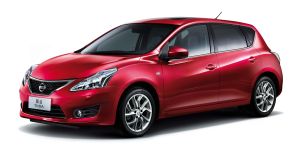
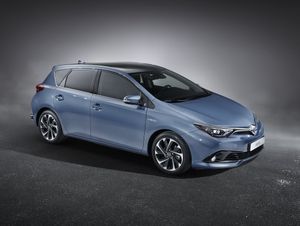
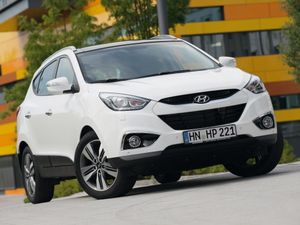

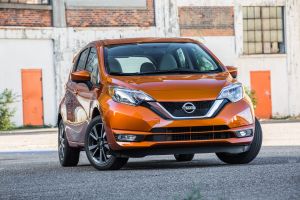
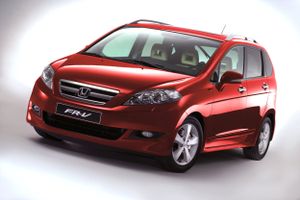

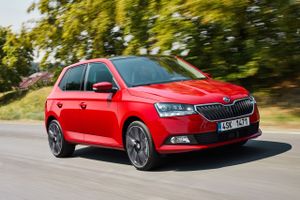
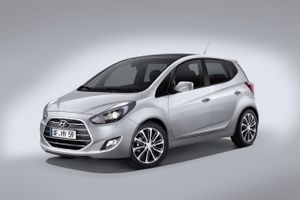

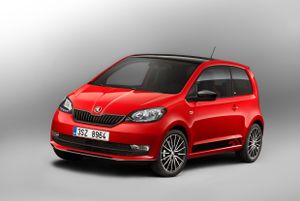
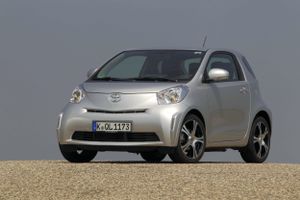
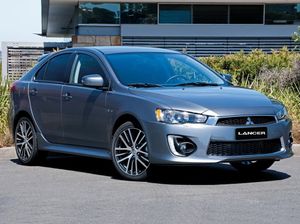
Compare similar cars Hyundai i40 and Nissan Altima
Hyundai i40 and Nissan Altima are two popular cars, each with its own unique advantages and features. The choice between Hyundai i40 and Nissan Altima depends on the driver's needs and preferences.Hyundai i40 and Nissan Altima are two popular cars, each with its own unique advantages and features. The choice between Hyundai i40 and Nissan Altima depends on the driver's needs and preferences.